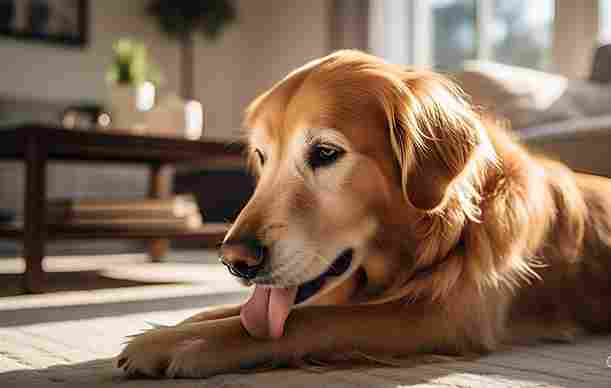
Dogs usually lick their paws for a few reasons. For example, they might have allergies to food or things in their environment. Also, infections like yeast or bacteria can make their paws itchy. Sometimes, they lick because of pain from a cut, a bee sting, or a thorn. In addition, dry skin or feeling anxious or bored can make them lick too.
A little licking now and then is normal, but if your dog keeps licking all the time, it usually means something is wrong. In that case, it’s a good idea to visit a vet.
Quick Summary
Allergies (food, pollen, cleaning products)
Injuries or infections
Pain from other body parts
Boredom or anxiety
Irritants like salt or chemicals
Nail or skin problems
Table of Contents
Real Experience (What I Noticed)
I once noticed a close friend’s dog licking his front paw again and again, especially at night. At first, we thought it was normal, so we didn’t worry too much. But after a few days, the licking got worse, and the fur around the paw started turning reddish-brown.
So, I decided to check the paw more closely. When I looked between the toes, I noticed some redness and a slight bad smell. At that point, I suggested that we should visit a vet.
After the check-up, the vet confirmed it was a mild yeast infection caused by moisture. Then we started treatment and made sure to keep the paws clean and dry.
Within a week, the licking slowly stopped.
Because of this experience, I learned that frequent paw licking is usually a warning sign—not something you should ignore.
Referred Pain: Not All Pain is Local
Sometimes, the problem isn’t in the paw at all. Dogs may lick a paw when the real issue is somewhere else—like the hips, spine, or joints. This is known as referred pain. According to the Merck Veterinary Manual, referred pain is often seen in dogs with arthritis, nerve damage, or joint problems. The dog might feel discomfort in one place but react by licking another. Diagnosing this kind of issue may require X-rays or other imaging tools. [MerckVetManual.com, 2024]
Main Causes
Allergies: The Itchy Truth
Allergies are one of the main causes of dogs licking their paws. Common triggers include food, pollen, mold, dust mites, and even household cleaners. Allergies, the American College of Veterinary Dermatology says, irritate the skin and cause severe itching—particularly between the toes. While dogs may lick to help relieve the itch, this might cause the skin to worsen. Allergy tests or a dietary shift can occasionally help to alleviate symptoms. [ACVD. org, 2024]
Hot Spots: Fast-Growing Red Zones
A hot spot is really a painful, inflamed area of skin that can become infected quickly. Dogs often create hot spots by licking one spot repeatedly. According to Dr. Karen Becker, DVM, hot spots can appear suddenly and expand if not treated fast. Vets typically clean the area and use antibiotics or medicated sprays to stop the infection. Some dogs may even need to wear a cone to stop further licking. [HealthyPets.Mercola.com, 2022]
Behavioral Issues: Bored, Anxious, or Just a Habit 😩🎮
Sometimes, paw licking is not linked to a medical issue. Dogs that experience boredom, worry, or stress may self-soothe by licking their paws. Dogs that lack sufficient exercise or social time are more prone to display compulsive behaviors like licking, says the American Kennel Club (AKC). Rising playtime, puzzle toy gifts, and a regular schedule can all assist in disrupting the habit.
Hormonal Imbalances: When the Body Is Out of Tune
Hormonal problems such as hypothyroidism or Cushing’s disease can cause dogs to have dry, itchy skin that makes them lick. VCA Animal Hospitals say untreated hormonal disorders can also cause behavior changes, persistent skin infections, and hair loss.
. A blood test can detect these imbalances, and medication can usually help manage the condition. [VCAHospitals.com, 2023]
Chemical Irritants: Beware the Lawn
Salted sidewalks, lawn treatments, or even floor cleaners can irritate your dog’s paws. The American Animal Hospital Association (AAHA) advises wiping your dog’s paws after every walk, especially in winter or after walking on treated grass. Use dog-safe wipes or a damp cloth to remove any chemicals. Preventing contact with these irritants is one of the best ways to avoid the licking cycle. [AAHA.org, 2023]
Overgrown, damaged, or infected nails could make your dog lick at its paw in discomfort. PetMD says that paronychia—nail bed infections—results in redness, swelling, and pus. Routine grooming helps to solve these uncomfortable problems. Dogs who limp or drag their nails should get their paws examined. ( PetMD, 2023)
Past Injuries or Surgery: Phantom Pain
Some dogs still lick the area even after an injury has healed. This could be from habit or phantom pain. Veterinary Partner emphasizes that licking a healed region could indicate your dog still connects that location with pain. In such situations, behavior training, mental stimulation, or distraction techniques like treat-dispensing toys can aid to stop the licking. VeterinaryPartner.com; 2024
Infections: Bacteria and Yeast Overgrowth
Dogs’ paws remain wet when they lick them excessively, therefore forming the ideal environment for yeast and bacteria to thrive. Veterinary Derm Clinic notes that yeast infections usually cause a pungent odor and cause around-the-paw fur discoloration. Regular foot soaks and antifungal or antibacterial creams are standard components of treatment. [ VetDermClinic .com, 2023]
Injuries and Foreign Objects: Hidden Dangers
Your dog may lick too from a little injury—a thorn, splinter, or perhaps a minor cut. Even minor cuts might become infected and cause great suffering, says the Merck Veterinary Manual. Always inspect between the paw pads and toes for anything stuck or inflamed. licking can also be activated by burns from hot summer sidewalks or from winter chemical deicers. [ MerckVetManual.com, 2024],
What to Do If Your Dog Is Licking Their Paws
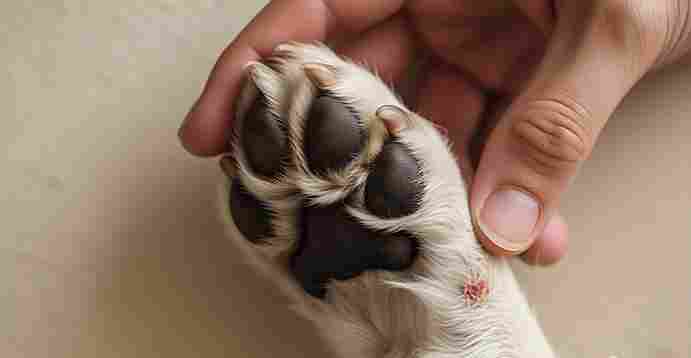
Begin by softly inspecting your dog’s paws. Search for swelling, discoloration, cuts, smell, or foreign objects. Call the veterinarian if you find nothing and the licking persists. A qualified test may eliminate health concerns and advise appropriate care. Paw licking is your dog’s means of indicating something is wrong, not only a quirky behavior.
Treatment and Home Remedies
Veterinary treatment depends on what’s causing the licking:
Allergies: May need medications or a special diet
Infections: Often treated with antibiotic or antifungal creams
Growths or objects: Might need surgery
Dry or itchy skin: Treated with medicated shampoos or topical ointments
Always talk to your vet before trying home remedies. A few vet-approved tips include:
Oatmeal soak: Soothes itchy skin
Vinegar rinse: Helps control yeast (mix 1 part vinegar with 3 parts water)
Coconut oil or paw balm: Moisturizes dry, cracked paws
Prevention is key to keeping your dog’s paws healthy:
Trim nails regularly
Wipe paws after outdoor walks
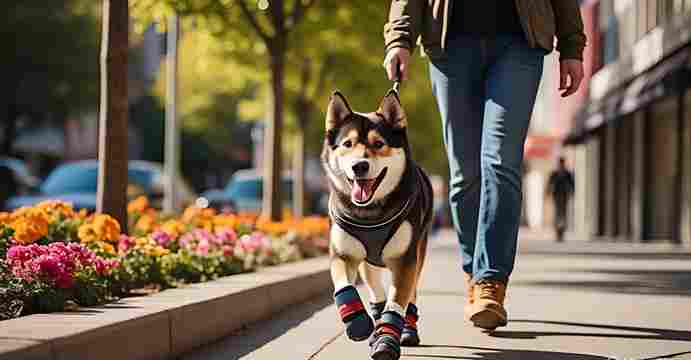
Use paw balm or dog boots in harsh weather
Avoid walking on salted roads or hot pavement
Keep your dog entertained with toys and exercise
Check paws frequently for injuries or irritants
FAQs
1. Is it normal for dogs to lick their paws sometimes?
Yes, occasional paw licking is normal and part of a dog’s self-cleaning routine. However, frequent or aggressive licking can be a sign of allergies, injury, infection, or behavioral issues. If it becomes excessive, it’s best to consult your vet.
2. Can allergies cause dogs to lick their paws a lot?
Absolutely. Dogs can be allergic to pollen, grass, dust, food, or cleaning products, which often leads to itchy paws. According to the American College of Veterinary Dermatology, this is one of the most common causes of paw licking. An allergy test or a special diet might be needed.
3. What kind of infections can cause paw licking in dogs?
Dogs can suffer from bacterial or yeast infections, especially if their paws stay moist due to constant licking. These infections can cause redness, swelling, odor, and discoloration of fur. Treatment typically includes antifungal or antibacterial creams, as well as oral medication.
4. How can I stop my dog from licking their paws due to boredom or anxiety?
If health issues are ruled out, try increasing mental and physical stimulation for your dog. Offer puzzle toys, take more walks, and create a consistent routine. In some cases, working with a dog behaviorist or trainer may be helpful
Disclaimer: This article is for informational purposes only and does not replace professional veterinary advice. Always consult your veterinarian for diagnosis and treatment.



 How to Stop Your Dog from Scratching Constantly:8 Easy Solutions Backed by Vets
 Why Does My Dog Dig on My Bed? Real Reasons & How to Stop It.
 How Often Should You Bathe Your Dog or Cat? A Simple Answer
 9 Reasons Why Is My Cat Peeing Outside the Litter Box All of a Sudden?
 Can Dogs Eat Cucumbers? Vet-Reviewed Guide + Personal Experience