
To care for a pregnant cat, make sure she eats nutritious food, has a quiet and safe nesting area, and gets regular veterinary check-ups. Keep her calm, watch her appetite and energy, and always provide clean water. As her due date gets closer, switch to kitten or pregnancy-specific food, and make sure she has easy access to food, water, and a litter box nearby.
If you live in a warm region like South Asia, pregnant cats may show nesting and restlessness a bit earlier due to higher temperatures, so prepare their nesting space ahead of time.
Quick Summary
- Feed the kitten or pregnancy food and increase the number of small meals.
- Keep clean water and food near her nesting spot.
- Provide a quiet, private space with soft bedding.
- Schedule vet visits early and monitor for warning signs.
- Stay calm and let her handle labor naturally, but be ready to assist if needed.
Table of Contents
Nutrition and Hydration
One of the most important things for a healthy cat pregnancy is good nutrition. Hill’s Pet Nutrition and VCA Animal Hospitals say that a balanced, high-calorie diet helps your cat stay strong and helps her kittens grow up healthy.
Her body works extra hard when your cat is pregnant. Because she is feeding both herself and her growing kittens, her metabolism and energy needs can go up by as much as 50%. That’s why it’s important to give her the right food and keep her hydrated.
1. Give Enough Energy and Calories
Cats that are pregnant need more calories than usual, especially after the fourth week of pregnancy.
- Energy helps the kittens’ bones, muscles, and organs grow.
- If a cat doesn’t get enough calories, she may lose weight and produce less milk later on.
- The best option is to feed high-quality kitten food, which is rich in protein and fat to meet these needs.
2. Provide High-Quality Protein
Life is made up of protein. It helps the kittens’ brains, hearts, and muscles grow.
- Pregnant cats should get 35–40% protein in their diet (dry matter basis).
- Amino acids like taurine and arginine are especially important.
- A lack of taurine can lead to low birth weight, weak kittens, or even pregnancy loss.
If you’re planning to breed your cat in the future, it helps to know which breeds are more family-friendly — explore the 10 best indoor cat breeds for families.
3. Add Healthy Fats and Omega-3 Acids
Fats are a rich source of energy and help your cat maintain her body condition.
- Omega-3 fatty acids, especially DHA, support the kittens’ brain and vision development.
- Cats who don’t get enough DHA may give birth to kittens with poor learning or eyesight.
- Look for foods labeled as “supports kitten brain development” or containing fish oil.
4. Don’t Forget Vitamins and Minerals
Pregnant cats need more calcium and phosphorus to build strong kitten bones and teeth.
- Too little calcium can cause eclampsia (milk fever) after giving birth — a life-threatening condition.
- Folic acid and B vitamins prevent birth defects and support red blood cell production.
- Avoid giving vitamin supplements unless your vet recommends them — too much vitamin A or D can be toxic.
5. Make sure she drinks enough water.
Drinking enough water is just as important as eating. Your cat’s blood volume goes up during pregnancy, which helps get nutrients and oxygen to her kittens.
- If she doesn’t drink enough water, it can lower the amount of amniotic fluid and result in a more likely delivery to start early.
- Always keep fresh, clean water nearby.
- Adding wet cat food can help her drink more water naturally.
6. Feed Small, Frequent Meals
As the kittens grow, the uterus pushes against the stomach, so your cat can’t eat large meals.
- Offer small, frequent meals to help her stay comfortable and get enough nutrition.
- This also prevents vomiting, constipation, and fatigue during pregnancy.
👉 Tip: Avoid giving raw or homemade food unless approved by your vet, as it may contain bacteria harmful to the kittens.
Environment and Safety
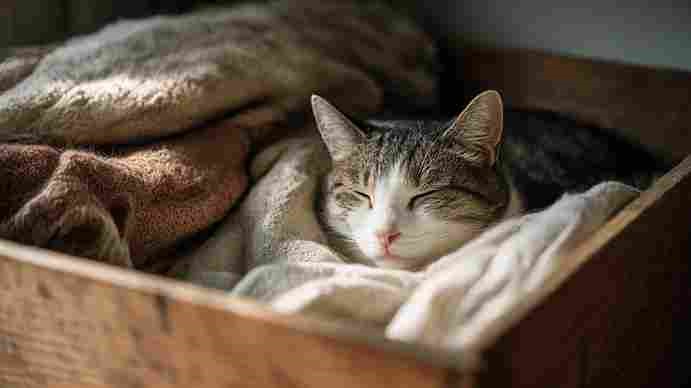
During your cat’s pregnancy, it’s just as important to make sure she has a calm, safe, and comfortable place to live as it is to give her good food. VCA Animal Hospitals and the Cornell Feline Health Center say that a stress-free environment helps your cat’s hormones stay in balance, supports healthy fetal development, and stops problems from happening.
Oxytocin and serotonin are released by a cat’s body when she feels safe. These chemicals help her relax and lower stress hormones like cortisol. High levels of cortisol during pregnancy can slow the growth of the fetus, raise the risk of miscarriage, or make it hard for the mother to produce milk. That’s why most cat owners don’t realize how important their cat’s environment is.
“Pregnant cats often become more sensitive to grooming, so be gentle when trimming — our step-by-step guide on how to trim a cat’s nails safely can help.”
1. Make a quiet, stress-free area
Pregnant cats need peace and privacy, especially in the final weeks of pregnancy.
- Choose a quiet room away from loud noises, visitors, and active children or pets.
- Keep the temperature comfortable — around 24–26°C (75–78°F) — since kittens can’t regulate body heat right after birth.
- Avoid moving your cat’s bed or changing her environment suddenly, as this can cause anxiety or nesting confusion.
A calm, stable space helps your cat feel safe enough to eat well, rest deeply, and prepare for birth naturally.
2. Create a Safe Nesting Area
Around the last two weeks of pregnancy, your cat will start “nesting” — searching for a private spot to give birth.
- Offer a nesting box or covered area lined with soft towels or blankets.
- Keep it clean, warm, and dimly lit to mimic a natural den.
- Avoid scented materials or harsh cleaning sprays — kittens are sensitive to strong odors.
This nesting box becomes your cat’s maternity ward, so place it somewhere she can access easily and feels secure.
3. Keep her inside and away from danger
It’s best to keep your pregnant cat indoors throughout her pregnancy.
- Outdoor cats are at risk of parasites, infections (like toxoplasmosis or feline leukemia virus), and accidents.
- Avoid contact with unknown cats, especially unneutered males, which can cause fights or spread diseases.
- Remove small or sharp objects, electrical cords, or toxic plants that could harm her or her kittens.
If your cat normally goes outside, provide indoor enrichment like toys, scratching posts, and window perches to keep her mentally stimulated.
4. Handle Stress in the Home
Cats are very sensitive to changes. Loud music, visitors, and household renovations can raise stress levels.
- Try to keep daily routines consistent — feed her at the same times and avoid unnecessary handling.
- During late pregnancy, limit how often you pick her up.
- Pheromone diffusers (like Feliway) can help calm nervous cats naturally.
A calm mind helps maintain a healthy heartbeat and blood flow, supporting the kittens’ oxygen and nutrient supply.
5. Maintain Hygiene and Safety During Birth
As the due date gets closer, keep the nesting area clean and free of strong chemicals.
- Wash your hands before touching newborn kittens.
- Keep the area free from drafts and monitor temperature to prevent chilling.
- Have your vet’s contact number nearby in case of labor complications.
After birth, limit visitors for the first few days. The mother cat can become protective, and too much noise can disturb nursing and bonding
👉 Tip: Keep other pets or children away from her nesting space during the last two weeks to give her privacy.
Health Monitoring and Vet Visits
For a safe and healthy pregnancy, you need to go to the vet regularly and keep an eye on your health. VCA Animal Hospitals and Cornell University College of Veterinary Medicine say that early check-ups can find problems, confirm pregnancy, and make sure that both the mother cat and her kittens grow up healthy.
A cat’s body changes quickly while she is pregnant, and many of these changes can’t be seen from the outside. That’s why both professional monitoring and watching her at home are important for her safety.
1. Schedule an Early Vet Visit
If you think your cat might be pregnant, you should take her to the vet right away.
- Your vet may use ultrasound (around day 15–20) or palpation (feeling the abdomen) to confirm pregnancy.
- Around day 40–45, an X-ray can show how many kittens she’s carrying.
- Early visits also help rule out false pregnancy or other conditions like uterine infections or tumors.
Your vet will also discuss nutrition, deworming, and vaccination schedules to prepare for a safe pregnancy and birth.
2. Monitor Weight and Body Condition
By the end of her pregnancy, a pregnant cat’s weight should have gone up by about 20–25% more than it was before she got pregnant.
- Sudden weight loss may mean nutritional deficiency or pregnancy complications.
- Keep track of her body condition weekly to ensure steady growth.
- Avoid overfeeding — obesity can make labor difficult and increase the risk of dystocia (birthing problems).
If you’re unsure about feeding amounts, ask your vet for a pregnancy-specific feeding plan.
3. Watch for Behavior and Physical Changes
There are small signs that pregnant cats show that tell how they are feeling.
- A steady appetite, bright eyes, and calm temperament indicate good health.
- Warning signs include lethargy, vomiting, loss of appetite, vaginal discharge, or excessive nesting behavior too early.
- Keep a simple daily log of her eating habits, mood, and physical changes — this helps your vet notice issues early.
Cats hide pain naturally, so even small changes matter.
4. Deworming and Parasite Control
Parasites like roundworms and hookworms can pass from the mother to her kittens.
- Your vet may prescribe safe deworming treatments during pregnancy (avoid over-the-counter products).
- Keep your cat’s bedding clean and change litter boxes frequently to reduce the risk of infection.
- Flea control is also important, but only use vet-approved topical treatments labeled safe for pregnant cats.
Proper parasite management ensures kittens are born healthy and free from early illness.
5. Get ready for delivery and care after the baby is born
In the last two weeks, your vet may recheck your cat to ensure she’s ready for labor.
- They’ll examine her abdomen, check fetal movement, and ensure pelvic width is normal for delivery.
- Ask your vet about signs of normal labor vs. complications, so you know when to seek help.
- After birth, schedule a postnatal vet visit to confirm all kittens are nursing well and the mother’s uterus is recovering properly.
Other Important Tips
You need to be patient and watch your pregnant cat all the time. You can keep your cat healthy, happy, and stress-free by doing little things every day.
Here are a few helpful tips every cat owner should know:
1. Encourage Gentle Activity
Your cat might stay healthy and keep her muscles strong while she’s pregnant if she plays and moves around a little bit.
- Use soft toys or short play sessions to keep her active.
- Avoid activities that involve jumping, running, or climbing high furniture, especially in the last few weeks.
- A little exercise helps with circulation and digestion, but too much strain can cause fatigue or stress.
Keeping her active in moderation also prepares her muscles for smoother labor.
2. Be Ready for Labor
Your cat can start showing signs of labor before her due date.
- She may become restless, pace around, or start nesting more often.
- Her body temperature may drop below 100°F (37.7°C) within 24 hours before birth — a classic signal that labor is near.
- Some cats lose their appetite or meow softly before delivery.
Have your vet’s contact information ready, keep her nesting box clean and quiet, and let her lead the process.
3. Trust her natural feeling
Cats are naturally capable mothers and usually handle birth on their own.
- Avoid touching or disturbing her unless she seems in distress.
- Keep the room calm, warm, and dimly lit to make her feel secure.
- If she comes to you for comfort, speak softly and stay nearby — your calm presence can help her feel safe.
Remember, unnecessary interference can make her anxious or delay labor, so gentle observation is best.
4. Prepare for After Birth
Once the kittens arrive, your role shifts to quiet support.
- Give her fresh water, kitten food, and space to nurse comfortably.
- Avoid loud noises and too many visitors during the first week.
- Keep the area clean, warm, and free from drafts.
After a few days, schedule a vet check-up to make sure both mom and kittens are healthy.
“After giving birth, some cats scratch furniture more often due to nesting or anxiety — our article on how to stop a cat from scratching furniture covers gentle behavior fixes.
FAQs
1. How early can I switch my cat to kitten food when she’s pregnant?
You can switch as soon as the pregnancy is confirmed, typically around 3-4 weeks in. A kitten-growth diet supplies more calories and nutrients to support both mum and kittens.
2. What are safe signs of labour in a pregnant cat, and when should I call the vet?
Safe signs: restlessness, nesting behaviour, drop in body temperature to below ~100 °F (≈37.7 °C) shortly before delivery.
Call your vet if: strong contractions go on for > 60 minutes without a kitten, or more than ~2 hours pass between kittens, or if there’s a retained placenta.
3. How much should a pregnant cat’s food intake increase?
In the late stages, her food intake may increase by about 25% or more compared to normal because of the extra demands of growing kittens.
However, eat extra but in small, frequent meals, because her abdominal space becomes crowded.
4. Is it safe to keep letting my pregnant cat go outdoors?
It’s best to keep her indoors, especially in the last few weeks of pregnancy. Outdoors, she may be exposed to parasites, infectious diseases, or risks of injury, which could affect her or the kittens.
5. Can a pregnant cat have exercise and play?
Yes — gentle activity is beneficial (maintains muscle tone, circulation), but avoid rough, jump-heavy, or strenuous play, especially in the final weeks.
6. Will vaccinating my cat during pregnancy harm the kittens?
Ideally, vaccinations should be done before pregnancy. Live vaccines may carry a risk during pregnancy. Your vet will advise which vaccinations (or none) are safe during pregnancy.

Karim Kaifi is an experienced pet owner and writer. He shares practical, research-backed advice based on over 10 years of caring for cats and dogs.