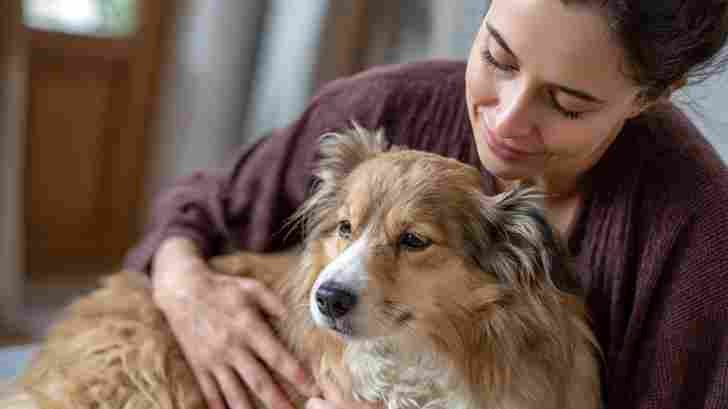
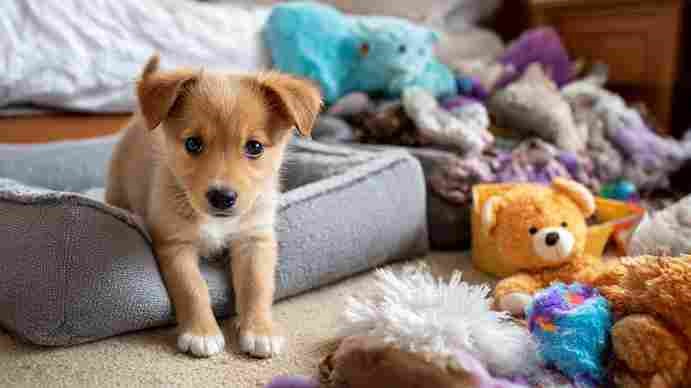
When a puppy moves into a new home, everything is new to them: the people, the smells, the sounds, and the way things are done. To help a puppy adjust, you need to give them structure, comfort, and gentle direction so they feel safe. The time it takes for a puppy to get used to its new home can be anywhere from a few days to a few weeks, depending on the puppy’s personality. Knowing how to help a puppy get used to a new home makes things easier, happier, and less stressful for both you and your new furry friend.
As a pet owner for more than ten years, I’ve seen puppies settle in at very different speeds. Some do it in a few hours, while others need a few days of patience and support.
Quick Summary
- Puppies adjust faster when they have a routine, quiet space, and gentle socialization
- Start crate training early to build confidence and reduce anxiety
- Keep the home calm during the first few days
- Slow introductions to new people and pets help prevent fear
- Use positive reinforcement to teach rules and build trust
Table of Contents
How to Help a Puppy Adjust to a New Home

1. Create a Safe, Calm Space on Day One
According to expert research, puppies calm down faster when they have a “safe zone.”
The AKC behaviorists suggest a quiet, low-traffic area with a bed, toys, and water.
VCA Hospitals says that environments that are easy to predict lower early stress and overstimulation.
Why is this helpful?
- Gives your puppy a quiet space to decompress
- Helps prevent fear-based behaviors
- Makes your home feel less overwhelming
What it means
When puppies first get here, they might be scared of sudden movements, new voices, or smells they don’t know. Making a cozy corner with a crate or puppy pen makes them feel safe. Keep the noise down, don’t let too many people come over for the first 48 hours, and let your puppy explore at their own pace.
When I brought home one of my shy puppies, she stayed behind her crate for almost an hour before coming out. She settled down much faster when I gave her a quiet corner.
YOU MIGHT LIKE THIS: How Long Can I Keep My Cat Alone? Safe Guidelines Backed by Experts
2. Set up a simple, regular schedule
All veterinarians agree that puppies do better when they have a set schedule.
The AVMA says that routine helps both physical and mental growth.
Regular meals, potty breaks, and sleep times help lower stress and confusion.
Why is this helpful
- Builds confidence through predictability
- Reduces potty accidents
- Improves sleep and behavior
What it means
Make a schedule that includes feeding, potty time, play, naps, and training. Do not leave alone for long time. Structure is good for puppies because it helps them know what to expect and makes their new home feel safe. A good routine also keeps kids from getting too excited and helps them not act hyper.
My most recent puppy got used to his new home in just three days because he had a regular schedule. Puppies really calm down when they know what’s going to happen next.
3. Begin crate training slowly
Crate training is a safe way for dogs to feel like they are in a den.
PetMD says that crates can help with potty training and making it easier to be alone.
Behaviorists say crate-trained puppies show less nighttime anxiety.
READ: How to Crate Train a Puppy at Night Time: A Complete Guide for Pet Owners
Why is this useful?
- Gives your puppy a secure sleeping space
- Helps with potty and independence training
- Prevents destructive chewing
Slowly bring in the crate. At first, leave the door open so the puppy can look around. Put in some toys, a soft blanket, and treats. Don’t make the puppy go into the crate; instead, make it a calm, happy place.
Every puppy I’ve crate-trained has ended up using it as a safe place for themselves. One even began bringing his favorite toy inside every night.
YOU MIGHT LIKE THIS: Can Dogs Get the Flu From Humans? A Scientific Question
4. Make friends slowly and in a good way
Puppies need to try new things, but not all at once.
The AKC talks about a “critical socialization window” that lasts from 8 to 16 weeks.
Balanced socialization boosts self-esteem and keeps fear from coming back.
Why is this helpful?
- Improves long-term behavior
- Reduces anxiety and reactivity
- Helps puppies adapt to daily life
What it means
Slowly introduce new sounds (like vacuums and doorbells), gentle visitors, and different rooms. Let your puppy watch first before you interact with it. Make sure the sessions are short and fun so they know that new things are safe.
I learned that letting a puppy watch before playing with it works great. One of mine needed to watch the vacuum from a distance for a few minutes before it felt safe.
5. Give positive feedback just
Experts say that rewards help pupies trust each other and learn better.
The VCA says that positive reinforcement is the best way to train.
Harsh corrections can make the adjustment period longer and make people scared.
Why this helps
- Builds trust with you
- Encourages good habits early
- Prevents anxiety and shutdown behaviors
Why?
Reward calm behavior, gentle play, and good choices. Use treats, affection, or toys. Avoid yelling or physical corrections — these make puppies nervous and slow down their adjustment.
From experience, even the most stubborn puppy responds faster to consistent praise than to frustration. One of my pups learned “sit” in two days using only treats and gentle praise.
6. Introduce New Pets With Care
A young puppy can easily become overwhelmed when a new pet enters the home.
According to PetMD, controlled introductions reduce the risk of conflict.
Meetings that are slow and watched over help the puppy feel safe.
Why this helps
- Prevents fear-based reactions
- Reduces stress for both pets
- Builds positive associations
Let pets meet through a gate or neutral area first. Keep the older pet calm and reward gentle behavior. Don’t make them interact; let them sniff, walk away, or take a break. Over time, their confidence grows naturally.
When I introduced a new puppy to my older dog, short, calm meetings worked far better than a full face-to-face interaction. They became relaxed friends within a week.
7. Give Plenty of Mental and Physical Enrichment
Growth requires stimulation at the right level. The AVMA says that being bored can make dog do bad things. Enrichment supports brain development and emotional balance.
Why this helps
- Helps puppies release energy
- Reduces unwanted behaviors
- Improves sleep routines
What it means
Use puzzle toys, short age-appropriate walks, chew toys, and basic training games to help your puppy adjust to their new home by boosting confidence and using up extra energy.
I’ve seen puppies fall asleep peacefully after only 5 to 10 minutes of simple enrichment games. Even the nervous ones settle down faster when their brain has something good to focus on.
8. Keep an eye on health and veterinary needs early
Dogs often need time to adjust to a new place, and this stress can affect their health for a short time. According to the AKC, you should take your dog to the vet within the first week to make sure everything is normal. Stress can also cause mild issues like diarrhea, changes in appetite, or an upset stomach.
Why this is helpful
- Ensures your puppy is healthy
- Establishes vaccination and deworming baseline
- Helps rule out anxiety vs. medical issues
What it means
A vet check makes sure everything is okay and stops problems from happening in the future. Talk to them about their vaccination schedules, diet, and how to keep parasites away.
FAQs
How long does it take a puppy to adjust to a new home?
Most puppies adjust within 1–3 weeks. Some confident puppies settle faster, while shy ones may need more time.
How do I help my puppy with the first night home?
Use a crate, keep the room quiet, add a warm blanket, and stay nearby to comfort them.
Why does my puppy cry so much in a new home?
Crying is normal because puppies miss their littermates. Comfort, routine, and gentle crate training help reduce crying.
Can my puppy sleep in my room during the adjustment period?
Yes. Many trainers recommend letting the crate sleep near your bed to reduce anxiety.

Karim Kaifi is an experienced pet owner and writer. He shares practical, research-backed advice based on over 10 years of caring for cats and dogs.
Related posts:
 How to Crate Train a Puppy at Night Time: A Complete Guide for Pet Owners
 How to Stop a Dog from Barking in Their Kennel at Night
 How to Take Care of a Pitbull Puppy: A Complete Guide for New Owners
 How to Potty Train a Puppy in 7 Days: Science-Backed Guide For Owners
 How Often Should U Wash a Puppy? Complete Guide for Dog Owners