

Can Dogs Eat Cucumbers? Yes, dogs can eat plain cucumbers in small amounts, and many pups enjoy them as a light, low-calorie snack. Always cut the cucumber into small, bite-sized pieces so your dog doesn’t choke. Avoid pickled or seasoned cucumbers because they contain extra salt and spices that can upset your dog’s stomach. Cucumbers are full of water and helpful vitamins, but feeding too much—or giving large chunks—can cause stomach problems or even a blockage. For safety, always offer plain cucumber in small cubes
QUICK SUMMARY
- ✔ Dogs can safely eat cucumbers in small, bite-sized amounts.
- ✔ Low-calorie and hydrating — ideal for weight control.
- ✔ Too much may cause gas or stomach upset.
- ✔ Avoid pickles due to added salt and spices.
- ✔ Introduce slowly and watch for reactions.
Table of Contents
Are Cucumbers Good for Dogs?

PetMD says that dogs that are healthy can eat cucumbers
Each slice only contains about 1.5 calories, therefore they aren’t very high in calories.
The AKC says they are one of the best low-calorie foods for dogs that need to lose weight.
- Great for overweight dogs
- High water content (95%)
- Contains vitamins K, C, and magnesium
Cucumbers are cool, crisp, and easy to digest when dogs eat them in small amounts. Many dogs like the fresh taste and how cool they feel. One of my older foster dogs had trouble keeping his weight up, and our vet told us to stop giving him high-calorie cookies. Instead, we offered thin slices of cucumber. It helped a lot—he still felt like he was getting a treat, just with fewer calories.
YOU MIGHT LIKE THIS: How to Help a Puppy Adjust to a New Home: A Full Guide For New Pet Owners
Can Dogs Drink Cucumber Water?
Most dogs can drink cucumber water as long as you make it at home using only fresh cucumbers and clean water. The AVMA and VCA warn that dogs should not drink flavored drinks that contain sugars, herbs, or artificial ingredients. Store-bought cucumber water may not be safe because it could contain xylitol, which is very dangerous for dogs
- Only offer plain homemade cucumber water
- Never use store-bought flavored waters
- Remove cucumber pieces for small dogs to avoid choking
Homemade cucumber water can be a light and refreshing drink for your dog, especially on hot days. Just cut a few cucumber slices into small pieces and place them in a bowl of water. Remove the pieces after a short time so the water stays fresh. If your dog has a sensitive stomach, start with only a small amount to make sure they handle it well.
YOU MIGHT LIKE THIS: How to Help a New Cat Adjust to Your Home with Proven Tips for Success
Health Benefits of Cucumbers for Dogs
Cucumbers help keep your dog hydrated and provide some antioxidants. They also contain natural fiber, which makes small amounts easy on the stomach. The AVMA says that giving pets fresh vegetables as treats can be a healthy choice
- Improves hydration
- Low-calorie snack option
- Provides micronutrients
Cucumbers can help dogs feel full without adding extra calories. This is especially helpful for dogs that are on strict diets and need to watch how much they eat.
How to Safely Feed Cucumbers to Your Dog
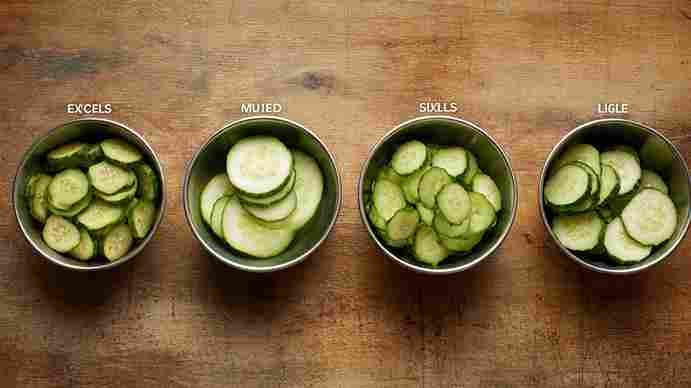
Vets say that cutting cucumbers into small pieces helps prevent your dog from choking. Introduce them slowly to avoid stomach problems. The VCA also recommends that treats, including vegetables, should not make up more than 10% of your dog’s daily calories
- Slice thin
- Start with 1–2 tiny bites
- Follow the 10% rule
Cut the cucumbers into little pieces that are easy to grip and feed them slowly. Because their mouths and throats are smaller, little dogs need very thin slices.
How Much Cucumber Can You Give Your Dog Based on Size
| Dog Size | Safe Serving | Weight |
| XL | large handful | 91+ lbs |
| Large | handful | 51–90 lbs |
| Medium | 5–6 slices | 31–50 lbs |
| Small | 2–3 slices | 21–30 lbs |
| Extra Small | 1–2 slices | 2–20 lbs |
How Much Cucumber Can My Dog Eat?
The right portion size depends on your dog’s breed and how sensitive their stomach is. Giving small amounts at a time can help prevent stomach upset. Veterinarians say that eating too much watery food, like cucumbers, can cause loose stools
- Small dogs: 1–2 slices
- Medium dogs: 3–4 slices
- Large dogs: 5–6 slices
Start with small amounts. Give your dog just one or two pieces at first to see how their stomach handles it, especially if they are sensitive.
Severe Symptoms if a Dog Eats Too Much Cucumber
If your dog eats too much cucumber by accident, watch for signs that something might be wrong. Cucumbers are usually safe, but eating too many can cause stomach pain or discomfort
Seek veterinary help immediately if you notice any of the following:
Severe Symptoms
- Repeated vomiting (more than 2–3 times)
- Watery or bloody diarrhea
- Signs of dehydration (dry gums, sunken eyes, no interest in water)
- Bloating or a swollen stomach
- Whining or signs of abdominal pain when you touch the belly
- Weakness or collapse
- Drooling excessively
- Severe gas with discomfort (could signal intestinal irritation)
- Constipation for more than 24 hours
- Straining to poop
- Inability to eat or drink
- Sudden change in behavior (restless, hiding, pacing)
When to Call a Vet Immediately
Contact your veterinarian or an emergency animal clinic if:
- Your dog is very young, very old, or has a medical condition.
- Symptoms last longer than 12 hours.
- Your dog ate a whole cucumber, including the hard ends.
- If your dog is a German Shepherd, Great Dane, or Standard Poodle, be extra careful. These breeds are more prone to bloat or GDV
Can Dogs Eat Cucumber Skin and Seeds?
Some dogs can eat cucumber skin, but it can be hard for them to digest. The seeds are soft and usually safe in small amounts. For dogs with sensitive stomachs, peeled cucumbers may be a better choice. If your dog is sensitive, it’s best to peel the cucumber
- Peel if sensitivity is known
- Seeds are OK in moderation
- Watch for gas or bloating
If your dog gets gassy after eating vegetables, peeling the cucumber can help. Most dogs can handle small amounts of cucumber just fine
Can Dogs Eat Pickles or Cucumber-Flavored Snacks?
Pickles contain salt, vinegar, garlic, and spices, which are unhealthy for dogs. Many cucumber chips also have artificial seasonings. The AKC warns that pickles are too high in salt for dogs. It’s best to avoid giving pickles altogether.
- Avoid pickles
- Skip flavored cucumber snacks
- Stick to fresh cucumbers
Anything with added salt or vinegar isn’t safe. Always serve cucumbers plain, clean, and fresh.
Are There Risks of Feeding Cucumbers to Dogs?
Eating too many cucumbers can cause bloating or loose stools in dogs. Large pieces could also be a choking risk. If your dog has kidney problems, always check with your vet, as they may need a special diet with the right amount of salt
- Watch for digestive upset
- Cut into safe sizes
- Stop feeding if vomiting occurs
Most dogs can eat cucumbers without any problems, but only in small amounts.
Best Ways to Serve Cucumbers to Dogs
Cucumbers that are fresh and uncooked are the best.Frozen cucumber slices might help cool dogs down when it’s hot outside. Older dogs do better on steamed cucumbers.
- Raw slices
- Frozen cubes
- Mixed into food in tiny amounts
The easiest way to serve cucumbers is to cut them into pieces. Many dogs enjoy chewing on frozen slices during the summer
What I do?
I often freeze thin cucumber sticks for my foster puppies to chew on in the summer. They soothe the puppies’ gums and keep them busy for a few minutes without making a mess.
FAQs
1. Can dogs eat cucumber skin?
Yes, but some dogs struggle to digest it. If your dog gets gas, peel the skin.
2. Can dogs eat cucumber seeds?
Yes, cucumber seeds are harmless and soft.
3. Can dogs eat pickles?
No. Pickles contain salt, vinegar, spices, garlic, and onions — unsafe for dogs.
4. Can dogs eat a cucumber daily?
Yes, in small amounts. Too much may upset their stomach.
5. Are cucumbers good for overweight dogs?
Absolutely — they are a low-calorie, crunchy treat alternative.

Karim Kaifi is an experienced pet owner and writer. He shares practical, research-backed advice based on over 10 years of caring for cats and dogs.
Related posts:
 How Often Should You Bathe Your Dog or Cat? A Simple Answer
 How to Stop Your Dog from Scratching Constantly:8 Easy Solutions Backed by Vets
 How Often Should U Wash a Puppy? Complete Guide for Dog Owners
 Signs Your Dog Is Adjusting to a New Home|Full Guide for Dog Owners
 How to Care for a Pregnant Cat: Scientifically Proven Tips for Cat Moms