
Written By: Karim Kaifi – Pet Owner &Pet Care Writer
Reviewed by: Dr. Hussain Ali, DVM
Like other animals, cats need a lot of sleep to stay healthy. Sometimes, your cat spends more time asleep than he does awake. That seems like a lot when you think about it—but it’s not too surprising. Why do cats sleep so much? Here’s what to know. Cats are natural hunters. Even indoor cats still follow this pattern. They rest so they can remain alert and focused whenever they decide to move, play, or explore. How long your cat sleeps depends on age, health, and daily routine. It varies from pet to pet, but most of the time, this behavior is normal.
However, if your cat seems to sleep all the time and something feels off, it could be because of stress, boredom, or illness. The fix could be as simple as adding more play or mental stimulation.
Quick Summary
- Adult cats usually sleep 12–16 hours a day
- Kittens and seniors may need 18–20 hours
- A lot more rest helps cats stay healthy and active
- Sudden changes could be a sign of stress or illness
- If you notice warning signs, contact your veterinarian
Table of Contents
How Much Sleep Is Normal for Cats?
As we discussed above, like other animals, cats don’t really sleep the same way humans do. Rather, they take many short naps throughout the day. According to the American Veterinary Medical Association (AVMA), most adult cats sleep between 12 and 16 hours per day, while kittens and senior cats may sleep up to 20 hours. VCA Animal Hospitals explains that this sleep pattern allows cats to conserve energy while still reacting quickly when needed.
Cats rest as a way of saving energy, which allows your cat to remain alert and focused. The amount of time your cat spends napping can depend on lifestyle and environment, and it’s common for indoor cats to sleep more than outdoor cats.
YOU MIGHT LIKE THIS: How to Care for a Pregnant Cat: Scientifically Proven Tips for Cat Moms
Why Does My Cat Sleep More Than Usual?
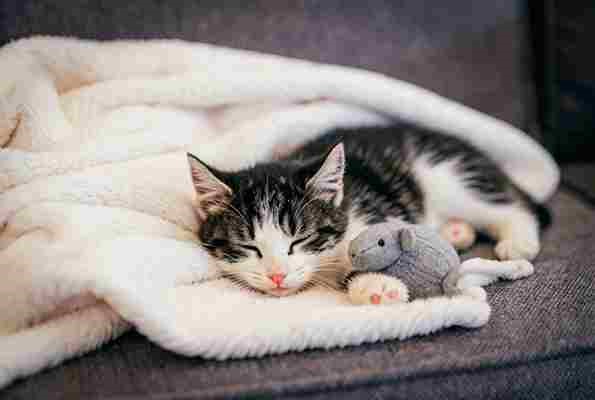
Sometimes cats sleep more due to changes in their routine. A new home, a new pet, or even a change in feeding times can make a difference. PetMD says that stress, environmental changes, or emotional upset can cause cats to sleep more while adjusting.
From personal experience, I noticed my cat sleeping more during a week of houseguests. Over time, as things calmed down, he gradually got back to his usual activity.
Here are some common reasons:
- Stress or anxiety
- Lack of stimulation
- Growth or aging changes
It’s also not uncommon for cats to spend extra time napping when something in their life changes. For many reasons, sleep is a way of coping and recharging energy.
YOU MIGHT LIKE THIS; How Often Should You Change Cat Litter? Full Guide For Pet Owners
Why My Cat Sleeps More in Winter
It’s common for cats to sleep longer during colder months. Just like humans, cats often prefer staying cozy and conserving energy when it’s chilly outside. Winter naps help them stay warm, comfortable, and healthy until they’re ready for activity.
Is My Cat Bored or Depressed?
Indoor cats often become bored when they don’t have enough things to do. One way cats express boredom is by sleeping more. It might not seem like a big deal, but prolonged boredom can sometimes result in behavioral problems.
Make sure he has things to do, such as:
- Interactive toys
- Window perches
- Playtime with you
From my own experience living in a cold region, I’ve noticed my cat curling up in sunbeams, under blankets, or near heaters, often sleeping more than usual during winter days. It makes sense — a cat resting in warmth is conserving energy and staying comfortable.
Tips for winter:
- Make sure he has things to do, such as heated beds or sunny spots
- Keep playtime consistent
- Provide puzzle toys and interactive feeders
One way cats express themselves is through sleep. The fix could be as simple as daily play or attention.
Can Diet Affect My Cat’s Energy?
Yes. What your cat eats can make a big difference. Cats need protein to stay active. Low-quality food or too many fillers can leave your cat feeling tired more than usual.
It’s believed that a balanced diet helps your cat get back to normal energy levels.
Quick tips:
- Feed protein-rich food
- Avoid overfeeding and high-carb diets
- Rotate toys or puzzle feeders to encourage activity
When Is Sleeping a Sign of Illness?
Certain illnesses can cause your cat to sleep more than usual. According to PetMD and the AVMA, excessive sleep combined with appetite loss, hiding, or weight changes may signal conditions like diabetes, infections, or thyroid disease.
If you notice these signs, a vet visit might be in order as soon as possible. Take your cat to the vet right away if other symptoms appear. Your veterinarian can come up with a treatment plan to help your cat get back to normal.
Do Age and Breed Matter?
Yes. Kittens are still growing and developing, so they need more rest. As they age, cats often sleep more to relieve their discomfort or conserve energy. Calm breeds may naturally rest more. The amount of sleep varies from pet to pet, so it makes sense that your older or more relaxed cat might nap longer than others.
How to Help Your Cat Stay Active
Your cat will be ready for whatever activity he wants — whether that’s chasing toys, climbing shelves, or watching birds — if he gets enough mental stimulation.
Ways to keep him active:
- Daily play sessions
- Climbing spaces
- Puzzle feeders
When Should I Call the Vet?
If your cat is sleeping more than usual and something feels off, contact your veterinarian. The downside is waiting too long, which can sometimes result in more serious issues.
Watch for:
- Sleep + no eating
- Sleep + hiding
- Sleep + weight changes
A vet can come up with a treatment plan and help your cat get back to normal.
FAQs
Why does my cat sleep all day and night?
Cats are built to rest often. If behavior is normal, it’s likely healthy.
Is my cat lazy or sick?
If sleep comes with appetite loss or hiding, take your cat to the vet right away.
Can stress make my cat sleep more?
Yes, stress often causes extra rest.
How can I tell if my cat is depressed?
Look for hiding, no play, or appetite changes.
Should I wake my cat to play?
Yes, gentle play helps balance sleep and activity

Karim Kaifi is an experienced pet owner and writer. He shares practical, research-backed advice based on over 10 years of caring for cats and dogs.
Related posts:
 How to Care for a Pregnant Cat: Scientifically Proven Tips for Cat Moms
 Why Does My Dog Dig on My Bed? Real Reasons & How to Stop It.
 How to Crate Train a Puppy at Night Time: A Complete Guide for Pet Owners
 9 Reasons Why Is My Cat Peeing Outside the Litter Box All of a Sudden?
 How Do I Know If My Cat Is Pregnant? Expert Vet Guide