Written By: Karim Kaifi – Pet Owner &Pet Care Writer
Reviewed by: Dr. Hussain Ali, DVM-Licensed veterinarian and consultant, with 8+ years of experience in animal care and health.
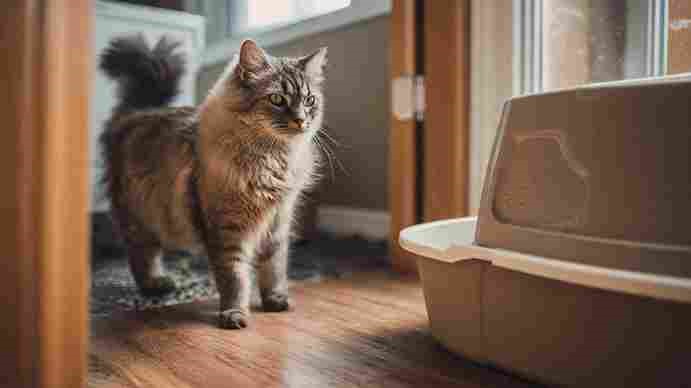
If your cat is peeing outside the litter box, it usually means something is wrong—not bad behavior. In most cases, the cause is a medical issue, stress, a dirty litter box, or even the type of litter being used. Cats are naturally very clean animals. So when they stop using the litter box, they are trying to tell you something important.
That’s why it’s important to find the cause early and fix it quickly.
It can feel frustrating and confusing when your clean cat suddenly starts peeing everywhere. However, don’t worry—this is a very common problem, and the good news is that it’s usually fixable.
Quick Summary
- Medical issues like UTIs are a major cause
- A dirty litter box often leads to accidents
- Stress or changes at home can trigger this behavior
- The wrong litter type or box setup can also be a problem
- Early action can prevent long-term habits
Table of Contents
Common Reasons Why Cats Pee Outside the Litter Box
Medical Problems: First Thing to Check
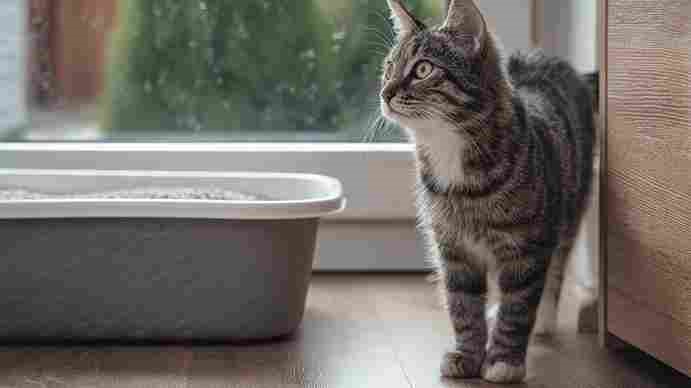
To begin with, health issues are the most common reason cats stop using the litter box. Problems like urinary tract infections, bladder stones, or kidney disease can make urination painful. As a result, your cat may start avoiding the litter box and look for other places instead.
According to veterinary sources like AKC and VCA, medical causes should always be checked first.
Dr. Hussain Ali, DVM, explains:
“In many cases, litter box problems are the first sign of an underlying health issue. Early diagnosis can prevent serious complications and improve your cat’s comfort.”
Signs Your Cat May Be Sick
- For example, straining or crying while urinating
- You might also notice blood in the urine
- Or your cat may pee small amounts very frequently
- In some cases, they drink more water than usual
- Sudden behavior changes are another warning sign
If you notice any of these signs, don’t ignore them. Instead, visit a vet as soon as possible. Early treatment can make a big difference and help your cat feel better faster.
Dirty or Poorly Maintained Litter Box
Next, cleanliness plays a huge role. Cats love clean spaces. So if the litter box is dirty, smells bad, or isn’t cleaned regularly, your cat may refuse to use it. In fact, even one missed cleaning can cause problems for sensitive cats.
Experts like AVMA and PetMD also highlight cleanliness as a key factor.
- First, scoop the litter daily and deep clean it weekly
- Also, strong odors can push cats away
- And if too many cats share one box, problems can start
About a year ago, I experienced this myself. My cat suddenly peed right outside my door. At first, it was confusing. But when I checked the litter box, it had a strong smell—it was clearly too dirty. As soon as I cleaned it properly, she went back to using it normally.
So, think of it this way: using a dirty litter box feels like using a dirty toilet. Naturally, your cat will avoid it.
You might also find this helpful: How to Clean a Cat Litter Box Quickly and Safely
Stress and Anxiety
Another common reason is stress. Cats are very sensitive to changes. For example, moving to a new home, bringing in a new pet, or even loud noises can make them anxious. Because of this, they may start peeing outside the box.
- New pets or people can trigger stress
- Loud environments can make cats anxious
- Even small changes in routine can affect them
To help, try to keep things calm and consistent. Also, give your cat a quiet and safe space where they can relax.
Litter Box Location Problems
In addition, the location of the litter box matters more than many people think. If it’s placed in a noisy, busy, or hard-to-reach area, your cat may avoid it completely.
Cats prefer quiet and private places where they feel safe.
- So, avoid placing it near loud appliances
- Make sure it’s easy to access at all times
- And don’t hide it too far away
Sometimes, simply moving the litter box can solve the problem very quickly.
Litter Type or Box Preference
Not all cats like the same type of litter or box. For instance, some cats prefer soft, unscented litter, while others don’t like covered boxes at all. Also, sudden changes can confuse them.
- Strong scents can bother sensitive cats
- Some cats dislike covered boxes
- Sudden changes can lead to rejection
So, it’s a good idea to test different options and see what your cat prefers. Even small changes can make a big difference.
Marking Behavior Not Just Peeing
Finally, sometimes your cat isn’t just peeing—they are marking territory. This is more common in unneutered cats or in homes with multiple cats.
Unlike normal urination, marking usually happens on vertical surfaces like walls.
- It’s more common in unneutered males
- It can be triggered by other pets or outside cats
- It often happens near doors or windows
In this case, neutering your cat and reducing stress can help a lot. Also, make sure to clean the area properly so the smell doesn’t attract them again.
Does Temperature Affect Litter Box Use?
Yes, it can. Cats like comfort. So if the litter box is in a place that is too hot or too cold, your cat may avoid it.
Cold Areas
In colder areas, cats may avoid the litter box if it feels uncomfortable.
- For example, garages, basements, or tile floors can get very cold
- Cold litter can feel unpleasant on their paws
- Older cats or sick cats are even more sensitive to cold
Because of this, your cat may choose a warmer spot like carpets, beds, or corners.
👉 Simple fix:
Move the litter box to a warmer area or add a mat under it to reduce the cold surface.
Hot Areas
On the other hand, too much heat can also be a problem.
- Litter boxes placed near heaters, kitchens, or direct sunlight can get too hot
- Strong smells become worse in heat, which cats hate
- Poor ventilation makes the area uncomfortable
As a result, your cat may avoid the box and look for a cooler place.
👉 Simple fix:
Keep the litter box in a cool, shaded, and well-ventilated area.
Sudden Temperature Changes
Cats don’t like sudden changes.
- Moving the litter box from indoors to outdoors
- Seasonal weather changes
- Turning AC or heaters on/off
These changes can stress your cat and lead to accidents.
👉 Simple fix:
Keep the litter box in a stable location and in a comfortable temperature zone.
How to Stop Your Cat from Peeing Outside the Litter Box
To fix this problem, you first need to find the cause. Then, take the right steps.
- Start by visiting a vet to rule out medical issues
- Next, keep the litter box clean at all times
- Also, use enzyme cleaners to remove any smell
Most importantly, be patient and consistent. In most cases, cats return to normal once the issue is fixed.
When Should You See a Vet?
You should contact a vet immediately if:
- Your cat suddenly stops using the litter box
- You notice blood in the urine
- Your cat cries while urinating
- They go frequently but produce very little urine
These signs can point to serious health problems, so early treatment is very important.
FAQs
1. Why does my cat pee on the bed?
Sometimes cats pee on the bed due to stress, scent marking, or medical issues. Your scent can make them feel safe, or they may be marking territory.
2. How do I stop my cat from peeing in the house?
First, check for medical problems. Then, improve litter box cleanliness, adjust the location, and reduce stress.
3. Can a dirty litter box cause accidents?
Yes, absolutely. In fact, it’s one of the most common reasons cats avoid the litter box.
4. Why is my cat peeing everywhere all of a sudden?
Usually, sudden changes are linked to health issues or stress. So, it’s best to consult a vet first.
5. Do cats pee outside the box out of spite?
No, cats do not act out of spite. There is always a physical or emotional reason behind this behavior
Disclaimer: This article is for informational purposes only and does not replace professional veterinary advice. Always consult your veterinarian for diagnosis and treatment.

Karim Kaifi is an experienced pet owner and writer. He shares practical, research-backed advice based on over 10 years of caring for cats and dogs.